As more people embrace remote work, understanding tax obligations in Malta becomes essential. This comprehensive guide covers everything digital nomads need to know about taxes while living and working in Malta.
📋 Key Takeaways
- Malta offers a friendly tax system for digital nomads
- First 12 months: Income from authorized work is exempt from taxation
- After 12 months: 10% tax on authorized work income
- Understanding requirements helps maximize benefits and ensure compliance
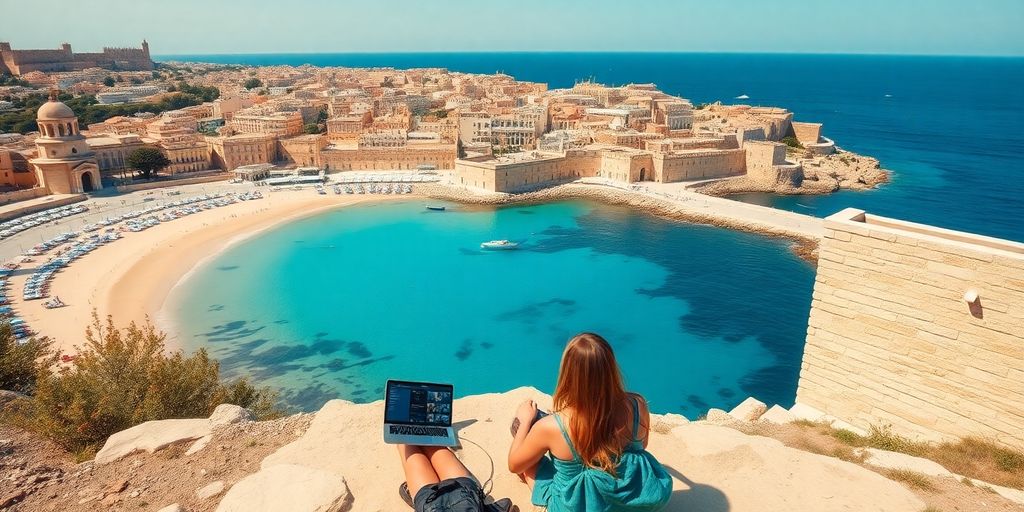
Understanding Malta's Tax System
Overview of Malta's Tax Policies
Malta offers a unique tax system that is attractive to digital nomads. The country has specific rules that allow remote workers to benefit from lower tax rates, making it a popular choice for those looking to work while enjoying the Mediterranean lifestyle.
Key Tax Benefits for Digital Nomads
- Reduced income tax rates for qualifying individuals
- Possibility of tax deductions for business-related expenses
- Access to a digital nomad visa with longer stays than tourist visas
Common Tax Challenges
- Understanding local tax laws and how they apply to foreign income
- Keeping track of financial records for tax filing
- Navigating social security contributions
Eligibility Criteria
Who Qualifies as a Digital Nomad?
- Work remotely for a company outside of Malta
- Have a valid employment contract or proof of self-employment
- Show financial ability to support yourself while living in Malta
Documentation Required
- Proof of employment or business ownership
- Bank statements showing sufficient funds
- Valid passport and necessary visas
Residency Requirements
- Stay in Malta for at least 183 days in a year to be considered a tax resident
- Register with local authorities and obtain a residence permit
For complete details on obtaining your residence permit, see our step-by-step visa application guide.
Tax Obligations and Compliance
Income Tax Rates and Brackets
Malta's tax system is progressive, meaning the more you earn, the higher the percentage you pay:
| Income Range (EUR) | Tax Rate |
|---|---|
| 0 – 9,100 | 0% |
| 9,101 – 14,500 | 15% |
| 14,501 – 19,500 | 25% |
| 19,501 and above | 35% |
🎉 Good News for Digital Nomads!
Under the Nomad Residence Permit, all income from authorized work is exempt from taxation for the first 12 months. After this period, a 10% tax applies to authorized work income.
Social Security Contributions
- Contributions are based on your income
- Standard rate is around 10% of earnings
- Must register with the Maltese social security system
Filing Tax Returns
- Gather all necessary documents including proof of income and expenses
- Complete the tax return form (can be done online)
- Submit your return by the deadline (usually June 30th of the following year)
Strategies for Minimizing Tax Liability
Utilizing Tax Deductions and Credits
- Business expenses: Costs related to running your business (software, office supplies)
- Travel expenses: Work-related travel costs may be deductible
- Health insurance: Premiums paid can be deducted
Legal Tax Avoidance Strategies
- Choose the right residency scheme: Malta offers different tax residency schemes for nomads and non-doms
- Invest in local businesses: Investing in Maltese companies can provide tax incentives
- Plan your income: Timing your income can help stay within lower tax brackets
Seek Professional Advice
It's wise to consult with a tax professional who understands Malta's tax laws. They can help you:
- Navigate complex tax regulations
- Identify potential deductions you might miss
- Ensure compliance to avoid penalties
Comparing Malta with Other Countries
Advantages Over Other European Nations
- Lower tax rates: Malta offers competitive rates compared to many European countries
- Simple tax structure: Straightforward system helps in understanding obligations
- Tax incentives: Various incentives for remote workers including credits and deductions
Practical Tips for Managing Taxes
Organizing Financial Records
- Use digital tools: Apps and accounting software to track income and expenses
- Keep receipts: Save all receipts for business-related expenses
- Set a schedule: Update records weekly to avoid last-minute stress
Using Technology
- Tax software: Programs designed for tax filing can simplify the process
- Cloud storage: Store documents online for easy access and backup
- Automated reminders: Set reminders for important tax deadlines
Staying Updated
- Follow tax news and subscribe to newsletters
- Join online forums with other digital nomads
- Consult professionals when unsure about changes
Related Tax & Finance Guides
Dive deeper into Malta's tax system with these specialized guides:
Malta Tax for Foreigners Guide
Complete breakdown for non-Maltese residents
Self-EmployedSelf-Employed Tax Guide
For freelancers and business owners
CryptoCrypto Tax Guide
Taxation of cryptocurrency in Malta
BankingOpening a Bank Account
Step-by-step guide to Maltese banking
Getting Started in Malta
Need Help with Your Malta Move?
Check if you qualify and get personalized guidance on visas and taxes.
Check Your Eligibility →