Malta has become a hotspot for digital nomads, and it's not hard to see why. With its sunny weather, rich history, and a digital nomad visa program, it's a dream destination for remote workers. The Malta Digital Nomad Visa is designed for those who want to live and work remotely from this Mediterranean paradise. In this guide, we'll break down everything you need to know, from eligibility requirements to how to apply through the official portal.
📋 Key Takeaways
- The Malta Digital Nomad Visa is available for remote workers from non-EU countries
- You can apply online through the official Residency Malta Agency portal
- The visa is valid for one year and can be renewed twice, for a total of four years
- Applicants must meet a minimum income requirement and provide proof of remote work
- Living in Malta offers access to the EU, tax benefits, and a lively expat community
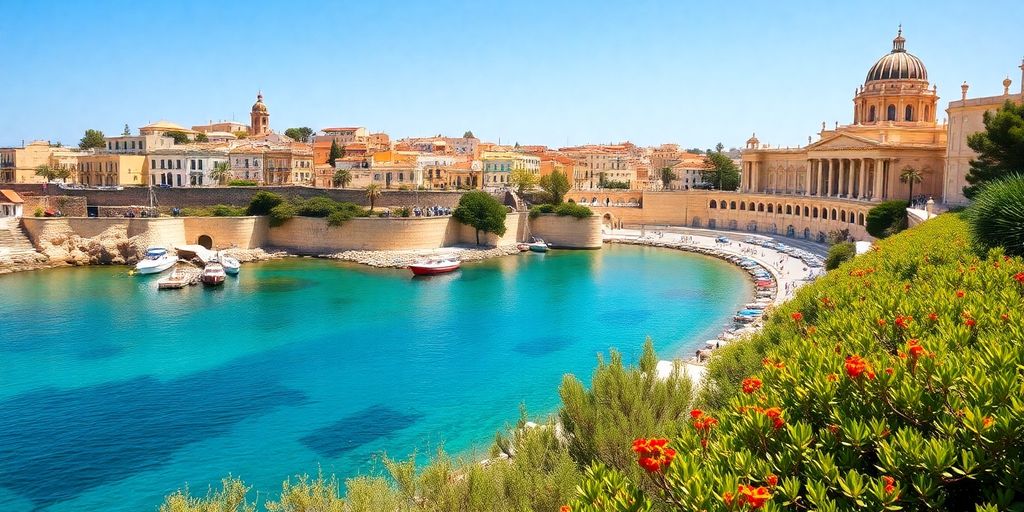
Understanding the Malta Digital Nomad Visa
Eligibility Criteria for the Visa
The Malta Digital Nomad Visa is designed for non-EU, non-EEA, and non-Swiss nationals who work remotely. To qualify, applicants must meet specific requirements:
- Employment or Business: You need to prove that you work for a company outside Malta, run your own business, or freelance for international clients
- Income Threshold: A minimum monthly income of €2,700 is required to demonstrate financial stability
- Remote Work Capability: Your job must be fully remote, relying on technology to perform tasks
- Health Insurance: Valid health insurance covering your stay in Malta is mandatory
Duration and Renewal Options
The visa initially grants a one-year residency. However, if you continue to meet the eligibility criteria, you can renew it for additional periods. Shorter-term options, like a six-month visa, are also available for those who prefer a temporary stay. This flexibility makes Malta a great option for digital nomads with varying plans.
Key Benefits of the Program
Malta's Digital Nomad Visa offers several advantages:
- Legal Residency: You can live in Malta without worrying about overstaying or visa complications
- Access to Europe: Malta's location makes it an ideal base for exploring the EU and Schengen Zone
- Quality of Life: From sunny weather to a welcoming community, Malta provides an excellent environment for remote workers
- Tax Benefits: Depending on your situation, you may benefit from Malta's attractive tax policies for non-residents
🎯 Pro Tip: The Malta Digital Nomad Visa is a game-changer for remote workers seeking a blend of work-life balance and European accessibility.
How to Apply for the Malta Digital Nomad Visa
Step-by-Step Application Process
Applying for the Malta Digital Nomad Visa is a straightforward process, but it requires attention to detail. Here's how you can go about it:
- Confirm Eligibility: Before you start, ensure you meet the eligibility criteria for the visa. This includes having a remote job or business based outside Malta
- Gather Required Documents: Prepare all necessary documents, including a full copy of your passport, proof of remote work, health insurance, and evidence of income
- Submit Your Application: Applications are submitted online through the official Residency Malta Agency portal. Ensure all documents are uploaded in the correct format
- Pay the Application Fee: Once your documents are reviewed, you'll receive instructions for payment. Only after this will your application be processed
- Wait for Approval: If approved, you'll receive a Letter of Approval in Principle. This gives you 30 days to finalize accommodation and health insurance in Malta
- Complete Post-Arrival Steps: After arriving in Malta, notify the Residency Malta Agency to schedule a biometrics appointment. In about 3-4 weeks, you can collect your residence card
Required Documents Checklist
Having the right documents is key to a smooth application process. Here's a checklist to help you stay organized:
- A full copy of your passport (all pages, including blank ones)
- Proof of remote work (employment contract or business registration)
- Health insurance valid in Malta
- Proof of annual income meeting the €42,000 threshold
- Evidence of accommodation in Malta (after initial approval)
Common Mistakes to Avoid
Even small errors can delay your application. Here are some common pitfalls to watch out for:
- Incomplete Documentation: Double-check that all required documents are included and formatted correctly
- Incorrect Payment: Follow the payment instructions carefully to avoid issues
- Delays in Post-Approval Steps: After receiving your approval letter, act promptly to secure accommodation and insurance
💡 Remember: Applying for the Malta Digital Nomad Visa doesn't have to be overwhelming. By following the steps carefully and avoiding common mistakes, you can make the process smooth and stress-free.
Benefits of Living in Malta as a Digital Nomad
Access to the EU and Schengen Zone
One of the standout perks of living in Malta as a digital nomad is the seamless access it provides to the European Union and the Schengen Zone. With a digital nomad visa, you can travel freely to 26 countries in this area without needing additional visas. Whether you're planning a weekend getaway to Italy or a business trip to Germany, Malta's location makes it incredibly convenient.
Tax Advantages for Remote Workers
Malta's tax policies are particularly appealing for digital nomads. The country offers a competitive tax structure, with rates ranging from 15% to 35% depending on your income bracket. Malta has agreements to avoid double taxation, meaning you won't end up paying taxes twice on the same income. This financial clarity can save you a significant amount of money, making Malta an attractive base for remote work.
Lifestyle and Community Perks
Malta is more than just a work destination; it's a place where you can truly live. The country has a lively culture, a growing community of digital nomads, and year-round sunny weather. You'll find plenty of coworking spaces, cafes with reliable Wi-Fi, and networking events tailored for nomads. Beyond work, Malta offers stunning beaches, historic landmarks, and a lively social scene.
Navigating the Malta Digital Nomad Visa Official Website
Key Features of the Portal
The official Malta Digital Nomad Visa website is your go-to resource for everything related to the visa process. It's designed to simplify your journey, from application to approval. Key features include:
- A user-friendly interface with clear navigation
- Access to downloadable forms and guides
- A secure portal for uploading required documents
- Real-time updates on your application status
How to Track Your Application
Once you've submitted your application, tracking its progress is straightforward. The portal provides a dedicated section for monitoring your application. Here's how it works:
- Log in to your account using your registered email and password
- Navigate to the "Application Status" section
- View updates, including pending actions or approvals
If you encounter any issues, the portal includes troubleshooting tips to help you resolve common problems.
Contacting the Residency Malta Agency
Sometimes, you might need direct assistance. The website offers multiple ways to get in touch with the Residency Malta Agency:
- An online contact form for general inquiries
- A dedicated email address for application-related questions
- A helpline number available during business hours
⚠️ Tip: If you're unsure about any part of the process, don't hesitate to reach out. The agency is there to help make your experience as smooth as possible.
Costs and Financial Requirements for the Malta Digital Nomad Visa
Application Fees and Processing Times
The application fee for the Malta Digital Nomad Visa is €300, which is non-refundable. If you plan to include family members, there's an additional charge of €300 per person. Once the application is submitted, the Residency Malta Agency aims to process it within 30 working days. However, it's always wise to allow for up to two months in case of delays.
| Fee Type | Amount |
|---|---|
| Application Fee | €300 |
| Residency Card Fee | €100 |
| Additional Family Member | €300 per person |
Minimum Income Threshold
To qualify for the Malta Digital Nomad Visa, applicants must demonstrate a minimum annual income of €42,000. This translates to approximately €3,500 per month. Proof of income can be shown through recent payslips, tax returns, or bank statements.
Additional Expenses to Consider
Apart from the visa fees, there are a few other costs you should budget for:
- Travel Insurance: Mandatory for the duration of your stay
- Health Insurance: Coverage is required for all applicants and dependents
- Housing Costs: Renting or purchasing property in Malta is necessary, with monthly living expenses averaging around €780
- Miscellaneous Costs: Utilities, transportation, and day-to-day expenses can add up, so plan accordingly
💰 Tax Note: Individuals who spend less than 183 days annually in Malta and have no Maltese income are typically not subject to taxes on foreign income.
Exploring Malta: A Digital Nomad's Guide
Top Locations for Remote Work
Malta is a blend of history and modernity, offering plenty of inspiring spots for remote work:
- Valletta: The capital city is not just a UNESCO World Heritage site but also a hub for coworking spaces and cafes. You can work while soaking in the charm of its historic streets
- Sliema: Known for its vibrant lifestyle, Sliema has a mix of modern coworking spaces and seaside cafes, perfect for digital nomads
- Gozo: If you prefer a quieter environment, Gozo offers serene surroundings and reliable internet—ideal for focused work sessions
Cultural and Recreational Activities
Malta is not all about work; it's also about enjoying life. The island has a rich cultural tapestry and plenty of activities to keep you entertained:
- Historical Sites: Visit ancient temples like Hagar Qim or the medieval streets of Mdina
- Festivals: Experience local festas, complete with fireworks and traditional Maltese food
- Outdoor Adventures: Dive into the Blue Lagoon, go hiking in Dingli Cliffs, or take a boat trip to explore hidden caves
Internet and Infrastructure Quality
When it comes to internet and infrastructure, Malta doesn't disappoint. Here's a quick overview:
| Feature | Details |
|---|---|
| Internet Speed | 137.15 Mbps (average) |
| Coworking Spaces | Over 15 major hubs |
| Public Wi-Fi | Widely available |
| Transportation | Affordable buses and ferry services |
Taxation and Legal Considerations for Digital Nomads in Malta
Understanding Double Taxation Agreements
One of the key advantages of Malta's tax system is its reliance on territorial taxation. This means income earned outside of Malta is generally not subject to Maltese taxes. If you're a holder of the Nomad Residence Permit, your income is typically taxed in your home country, not in Malta. However, you may still need to register for income tax in Malta to comply with local regulations.
Double taxation agreements (DTAs) between Malta and other countries ensure you won't pay taxes twice on the same income. Before relocating, check your home country's tax treaty with Malta to confirm how this works for you.
Tax Rates and Obligations
Digital nomads with income sourced from Malta are subject to a flat tax rate of 10% on chargeable income. Here's a quick breakdown:
| Income Source | Tax Rate in Malta |
|---|---|
| Foreign Income | Exempt (with DTA) |
| Local Income | 10% |
It's important to note that while income tax may not apply to foreign earnings, consumption taxes like VAT still apply to goods and services you purchase in Malta.
Legal Rights and Responsibilities
When living in Malta as a digital nomad, you're expected to adhere to local laws, including those related to residency and employment. Here's what you need to keep in mind:
- Residency Registration: If you're staying for more than 90 days, ensure your Nomad Residence Permit is valid and updated
- Health Insurance: You must maintain valid health insurance covering your entire stay in Malta
- Rental Agreements: Secure a legal rental agreement or property purchase contract, as this is a requirement for your permit
⚖️ Legal Note: Malta offers a welcoming environment for digital nomads, but staying compliant with its legal and tax requirements is essential to fully enjoy your time on the island.
Wrapping It Up
Malta's Digital Nomad Visa is a game-changer for remote workers looking to experience life on this stunning Mediterranean island. With its easy application process, welcoming community, and a lifestyle that blends work and leisure seamlessly, it's no wonder Malta is becoming a top choice for digital nomads.
Whether you're drawn by the sunny weather, the rich history, or the chance to explore Europe from a central hub, this visa opens up a world of possibilities. So, if you've been dreaming of working remotely in a place that feels like paradise, Malta might just be the perfect fit.
Frequently Asked Questions
What is the Malta Digital Nomad Visa?
The Malta Digital Nomad Visa is a special program for non-European Union, non-EEA, and non-Swiss citizens who work remotely. It allows them to live in Malta while continuing their work for a company or clients located outside of Malta.
Who is eligible for the Malta Digital Nomad Visa?
To qualify, you must prove you work remotely for a foreign company or clients, meet the minimum income requirement, and have a valid travel document. Freelancers and business owners are also eligible if their work is based outside Malta.
How long can I stay in Malta with the Digital Nomad Visa?
The visa is initially valid for one year. However, you can apply for renewals, allowing you to stay for up to four years, as long as you continue to meet the program's requirements.
What are the main benefits of the Malta Digital Nomad Visa?
It grants residency in Malta, access to the EU and Schengen Zone, and potential tax advantages. Malta offers a lively community, a high quality of life, and excellent internet infrastructure for remote work.
What documents are required to apply for the visa?
You need proof of remote work, a valid passport, health insurance, proof of income, and a lease or address in Malta. Additional documents may be requested during the application process.
How do I apply for the Malta Digital Nomad Visa?
You can apply online through the official Residency Malta Agency portal. Fill out the application form, upload the required documents, and pay the application fee to get started.