Thinking about heading over to Malta? If you're an Aussie, there's some important stuff you should know about getting a visa. Whether you're planning to work, study, or just chill on the beaches, understanding the visa process is key to a smooth Maltese adventure.
📋 Key Takeaways
- Australian citizens need to know the different types of Malta visas and their specific requirements
- Essential documents include a valid passport, proof of financial stability, and a detailed travel itinerary
- The application process can be tricky, so following a step-by-step guide can help avoid common mistakes
- Malta offers various work and study opportunities, but understanding permits and qualifications is crucial
- Living in Malta means adapting to local customs, understanding healthcare options, and budgeting for the cost of living
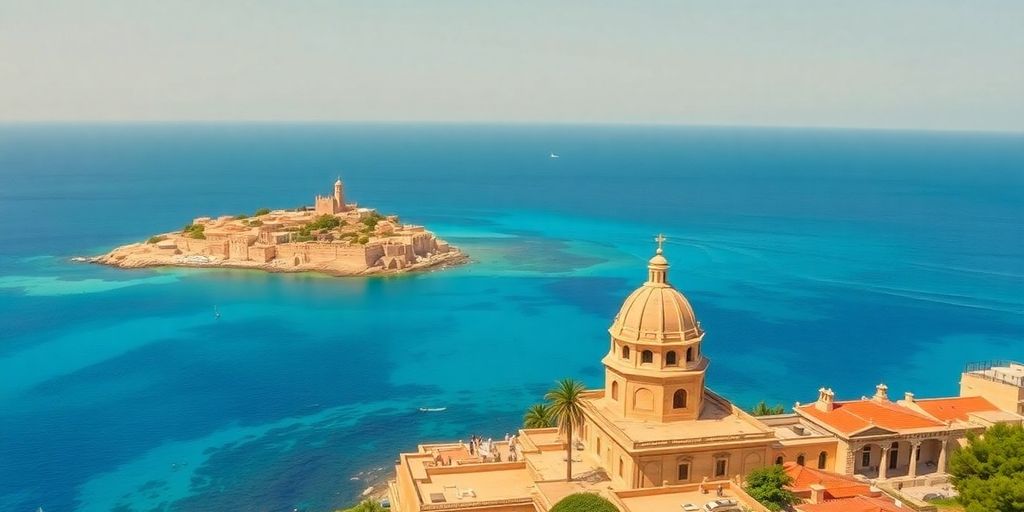
Understanding the Malta Visa for Australian Citizens
Types of Malta Visas Available
When planning a trip to Malta, Australian citizens should know the types of visas they might need. Malta, as a Schengen area member, offers several visa options depending on the purpose and duration of your stay:
- Tourist Visa (Schengen Visa): This is for short stays up to 90 days within a 180-day period. Perfect for vacations or short business trips.
- Long-Stay Visa: If you're planning to stay longer than 90 days, perhaps for work or study, this is the visa you'll need.
- Transit Visa: Required if you are passing through Malta on your way to another destination.
- Digital Nomad Visa: For remote workers wanting to live and work in Malta for up to one year.
Eligibility Criteria for Australian Citizens
Before applying, make sure you meet the eligibility requirements. Generally, you must:
- Hold a valid Australian passport
- Have a clear purpose for your visit, such as tourism, business, or study
- Show proof of sufficient funds to cover your stay
- Have travel insurance that covers any medical emergencies
💡 Pro Tip
Start your application process well in advance to avoid any last-minute stress. Processing times can vary, so give yourself plenty of time.
Essential Documents for Malta Visa Application
Passport and Identification Requirements
When applying for a Malta visa, the first thing to ensure is that your passport is valid. It should be valid for at least three months beyond your planned departure date from Malta. You'll also need to provide two recent passport-sized photos that meet Schengen-compliant requirements—color photos with a light background, and your face must be clearly visible.
Proof of Financial Means
To convince the authorities that you can support yourself during your stay, you must provide proof of financial means. This can include:
- Recent bank statements showing a steady flow of income
- Pay slips from your employer
- A letter of sponsorship if someone else is funding your trip
Travel Itinerary and Accommodation Details
A detailed travel itinerary is crucial for your visa application. It should outline your planned activities, including places you intend to visit and the duration of your stay. you need to present proof of accommodation—this could be a hotel reservation, a rental agreement, or an invitation letter if you're staying with friends or family.
Navigating the Malta Visa Application Process
Step-by-Step Application Guide
- Gather Your Documents: Before you even start the application, make sure you have all the necessary documents including your passport, proof of financial means, and travel itinerary.
- Fill Out the Application Form: Complete the visa application form accurately to avoid any delays.
- Submit Your Application: Once your form is filled out and documents are ready, submit your application to the appropriate Maltese consulate or embassy.
- Pay the Visa Fee: Don't forget there's a fee involved. The amount can vary, so check the latest fee structure.
- Attend an Interview: Sometimes, an interview is part of the process. Be prepared to answer questions about your travel plans and intentions.
Common Mistakes to Avoid
- Incomplete Applications: Double-check that every section of your application is filled out
- Incorrect Information: Providing wrong details can lead to rejections. Make sure everything is accurate.
- Ignoring Visa Requirements: Each visa type has its own set of requirements. Make sure you're aware of what's needed for your specific visa.
Work and Study Opportunities in Malta for Australians
Work Permits and Employment Contracts
If you're an Australian considering working in Malta, you'll need to secure a work permit. This permit is essential, as it allows you to legally work within the country. The process involves:
- Job Offer: First, you must have a job offer from a Maltese employer. This is a prerequisite for the work permit application.
- Application Submission: Your employer will typically handle the submission of the work permit application on your behalf.
- Documentation: Be prepared to provide necessary documents such as your passport, employment contract, and proof of qualifications.
Studying in Malta: Universities and Courses
Malta is home to several reputable universities and educational institutions. Whether you're looking to pursue undergraduate or postgraduate studies, there are plenty of courses available in English:
- University of Malta: The largest and oldest university in the country, offering a wide range of courses
- MCAST: Known for vocational and technical courses, ideal for those seeking practical skills
- Institute of Tourism Studies: Perfect for students interested in hospitality and tourism
Living in Malta: What Australians Need to Know
Cost of Living and Accommodation
Living in Malta can be quite an experience for Australians. The cost of living is generally lower than in major Australian cities, but it can vary depending on your lifestyle and location. Rent is one of the biggest expenses you'll face.
| Expense | Estimated Monthly Cost (EUR) |
|---|---|
| Rent (1-bedroom) | €700 – €1,200 |
| Utilities | €80 – €150 |
| Groceries | €200 – €400 |
| Dining Out | €10 – €25 per meal |
| Public Transport | €26 (monthly pass) |
Healthcare and Insurance Options
Healthcare in Malta is of a high standard and is available both publicly and privately. The public healthcare system is funded through taxation and is free at the point of use for residents. However, many expats opt for private health insurance to avoid long waiting times and to access a wider range of services.
Cultural and Social Life in Malta
Malta has a rich cultural heritage with influences from various civilizations. The Maltese are known for their hospitality, and English is widely spoken, making it easier for Australians to adapt. Don't miss out on the local festas—traditional village feasts celebrating patron saints!
Travel Tips for Australians Visiting Malta
Best Time to Visit Malta
For those who love the sun, the ideal time to visit Malta is from mid-June to mid-September. During this period, the island is basking in warmth with average temperatures around 28°C. If you prefer cooler weather and fewer crowds, consider visiting in the shoulder seasons of spring (April to June) or autumn (September to November).
Must-See Attractions and Activities
- Valletta: The capital city, known for its rich history and stunning architecture
- Blue Lagoon: A crystal-clear bay perfect for swimming and snorkeling
- Mdina: The 'Silent City', offering a glimpse into Malta's medieval past
Local Customs and Etiquette
- Greetings: A handshake is the common form of greeting. It's polite to address people with their titles until invited to use first names.
- Dress Code: While Malta is generally casual, dressing modestly is appreciated, especially when visiting churches.
- Tipping: It's customary to leave a 10% tip at restaurants if service is not included.
Legal and Tax Considerations
Understanding Malta's Tax System
When living in Malta, Australians need to get familiar with the local tax landscape. Malta has a progressive income tax system, which means the more you earn, the higher the tax rate. The tax rates can range from 0% to 35%.
Double Taxation Agreements
One of the big concerns for Australians abroad is double taxation. Luckily, Malta and Australia have a double taxation agreement. This means you won't be taxed twice on the same income if you're paying taxes in Malta. However, you still need to file an Australian tax return if you have income from Australian sources. It's a good idea to consult with a tax advisor to ensure you're meeting all your obligations.
📌 Frequently Asked Questions
How long does it take to process a Malta visa for Australians?
The processing time typically takes around 15 working days. It's best to apply well in advance.
Can Australians work in Malta with a tourist visa?
No, you cannot work in Malta with a tourist visa. You must apply for a work visa or permit before starting employment.
Is Malta a good place for Australians to study?
Yes! Malta offers a range of courses and universities appealing to international students, with programs in English and a lively student life.
Wrapping Up
Navigating the Malta visa process might seem like a maze at first, but with the right information, it's totally doable. Whether you're planning to work, study, or just soak up the sun, understanding the visa requirements is key. Remember, each type of visa has its own set of rules, so make sure to check the details that apply to your situation.
For more information about Malta's visa options, check out our detailed guides on the Malta Digital Nomad Visa and Nomad Residence Permit.
Essential Guides for Australians in Malta
Step-by-Step Application
Complete walkthrough
TaxTax Guide for Nomads
Understanding obligations
HealthcareHealth Insurance
Required for visa
BankingOpening a Bank Account
Tips for non-EU citizens